Introduction: Why Engaging Activities Matter in Occupational Therapy
Every parent wants to see their child grow, learn, and thrive. But for children with autism, ADHD, or other developmental challenges, everyday tasks can feel overwhelming. That’s where occupational therapy comes in – and more importantly, the fun, engaging activities that make therapy feel like play.
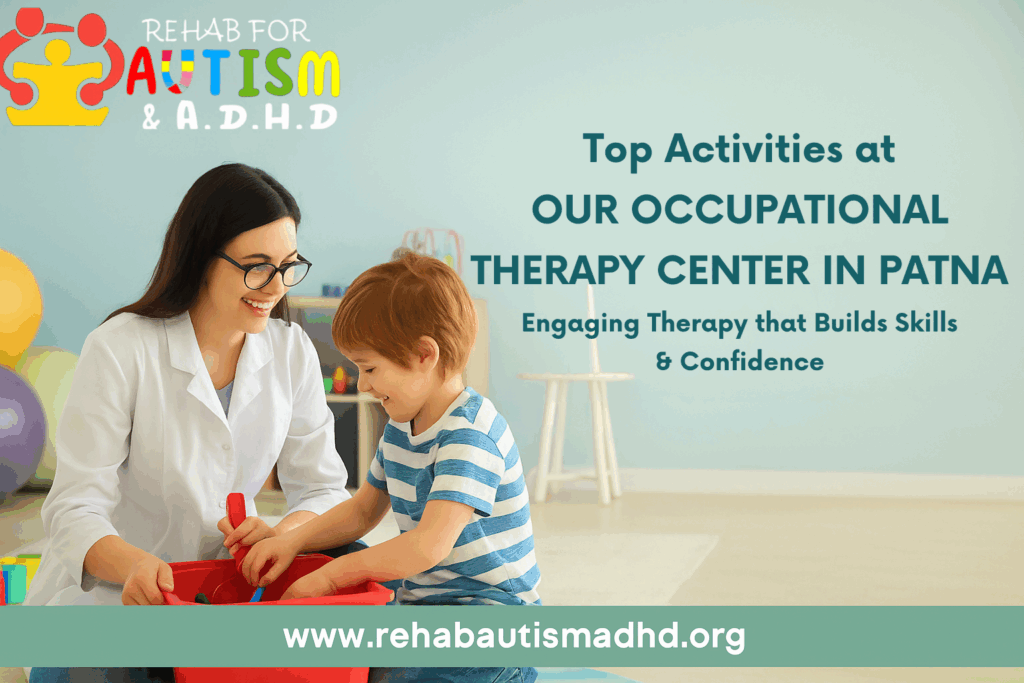
At our Occupational Therapy Center in Patna, we believe that learning happens best when children are having fun. We fill our therapy sessions with carefully chosen activities that help kids develop essential life skills while enjoying themselves. These are not just games. They are strong tools that build confidence, improve coordination, and help children succeed every day.
The magic happens when therapy doesn’t feel like work. When a child is laughing while building with blocks, they’re actually strengthening their fine motor skills. When they’re playing catch, they’re improving their hand-eye coordination. Every activity we use has a purpose, but the real secret is making it enjoyable.
Top 10 Activities We Use at Our Center
1. Sensory Play Activities
Sensory play is like a gateway to learning for many children, especially those with autism or sensory processing challenges. At our center, we use various textures, sounds, and materials to help children explore their world safely.
Our sensory bins filled with rice, beans, or kinetic sand allow children to dig, pour, and explore different textures. This helps them become more comfortable with various sensations they might encounter in daily life. We also use bubble play, which combines visual tracking, reaching, and popping motions that strengthen hand muscles.
Water play activities are particularly popular. Children love splashing, pouring, and playing with floating toys. These activities help develop hand strength, bilateral coordination, and provide calming sensory input for children who feel overwhelmed.
The beauty of sensory play is that it meets each child where they are. Some children might start by just watching, while others dive right in. Our therapists adjust the activities based on each child’s comfort level and sensory needs.
2. Fine Motor Skill Building Games
Fine motor skills are crucial for writing, buttoning clothes, and using utensils. We make developing these skills fun through various games and activities that children love.
Playdough activities are always a hit. Rolling, squeezing, and shaping playdough builds hand strength and finger dexterity. We hide small toys in the dough for children to find, which adds an element of surprising and encourages sustained engagement.
Threading activities using large beads, pasta, or cereal help develop pincer grasp and hand-eye coordination. We create necklaces, bracelets, and decorative items that children can take home, giving them a sense of accomplishment.
Puzzles of varying difficulty levels challenge children while building problem-solving skills. We start with simple shape sorters and progress to more complex jigsaw puzzles as skills improve. The satisfaction of completing a puzzle builds confidence and encourages persistence.
3. Gross Motor Movement Exercises
Movement is medicine for developing brains. Our gross motor activities help children build strength, coordination, and body awareness while having a blast.
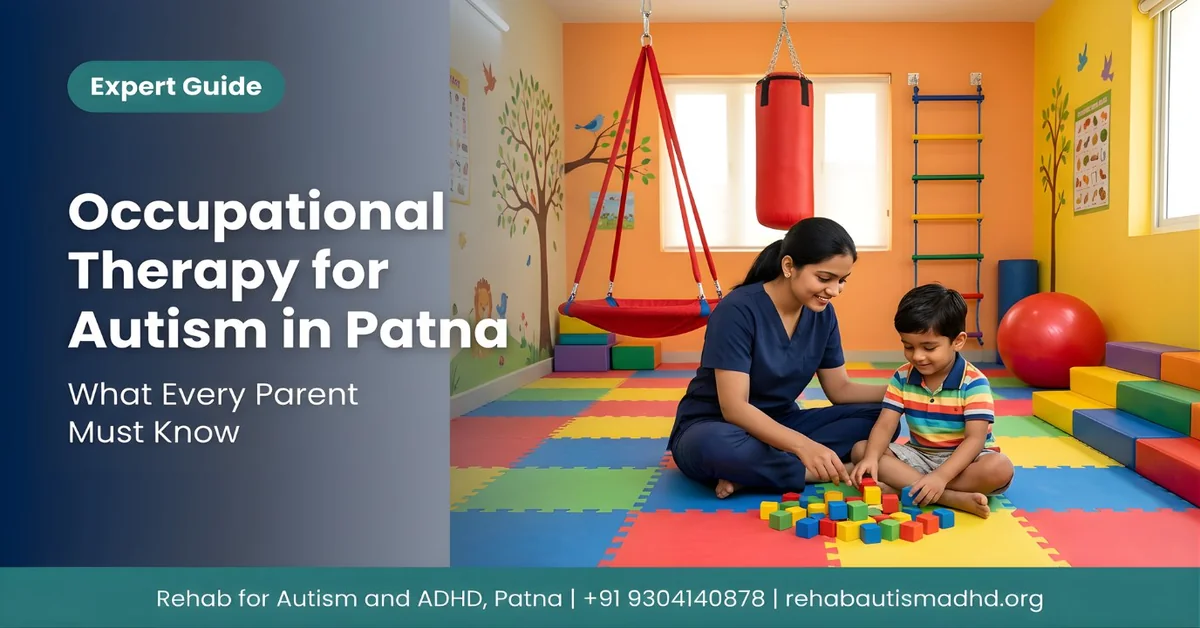
Obstacle courses are incredibly popular. We set up tunnels to crawl through, ramps to walk up, and soft blocks to step over. You can adjust these courses for different ability levels, and they help children plan their movements while building confidence.
Dancing and movement games combine fun with skill-building. Simple songs with actions help children learn to coordinate their movements while following instructions. This is especially helpful for children who are working on listening skills and following directions.
Ball activities are versatile and engaging. Rolling balls back and forth helps with social interaction and timing. Throwing and catching builds hand-eye coordination and bilateral coordination. Even simple activities like sitting on a therapy ball while doing other tasks helps improve core strength and balance.
4. Visual-Motor Integration Tasks
Visual-motor integration is the ability to coordinate what we see with how we move. This skill is essential for writing, sports, and many daily activities.
Tracing activities help children learn to control their pencil movements. We start with simple shapes and gradually progress to more complex designs. Using different materials like sand trays, finger paints, or chalk makes tracing more interesting.
Copying activities challenge children to look at a design and recreate it. This might involve building with blocks to match a picture or drawing shapes in the same pattern. These activities strengthen visual processing skills and attention to detail.
Maze activities, both with pencils and with finger tracing, help children plan their movements and think ahead. We use mazes of different difficulty levels to ensure every child experiences success while facing appropriate challenges.
5. Social Skills Group Activities
Social skills are just as important as physical skills. Our group activities help children learn to interact with peers, take turns, and communicate effectively.
Circle time activities encourage children to sit together, listen to others, and take turns speaking. We might sing songs, tell stories, or play simple games that require waiting and sharing. These activities help children learn the rhythm of social interaction.
Cooperative games where children work together toward a common goal teach teamwork and communication. Building a tower, finishing a group puzzle, and playing parachute games all require teamwork. Children need to work together. They also need to communicate with each other.
Role-playing activities help children practice social situations in a safe environment. Playing house, doctor, or restaurant helps children understand different social roles and practice appropriate behaviors. This connects well with the Speech Therapy Center in Patna. Here, children can practice their communication skills in fun, play-based settings.
6. Cognitive Challenge Games
Cognitive skills include memory, attention, problem-solving, and executive function. We make building these skills engaging through games and activities that challenge children’s thinking.
Memory games using cards, sounds, or movements help strengthen working memory and attention. We might play “Simon Says” type games where children need to remember and follow a sequence of instructions.
Problem-solving activities, like board games, building challenges, or escape room puzzles, help children think creatively. They also teach kids to keep trying when faced with challenges. These activities build executive function skills that are essential for school success.
Sorting and categorizing activities help children organize information and understand relationships between objects. We might sort by color, size, shape, or function, gradually increasing the complexity as children’s skills develop.
7. Daily Living Skills Practice
One of the main goals of occupational therapy is helping children become more independent in daily activities. We practice these skills in fun, supportive ways.
Cooking activities are incredibly valuable. Measuring ingredients builds math skills, following recipes improves sequencing abilities, and the end result provides immediate gratification. Simple activities like making sandwiches or mixing ingredients help children feel capable and independent.
Dressing practice using dolls, dress-up clothes, or adaptive equipment helps children master buttons, zippers, and snaps. We make it fun by creating fashion shows or having children help dress up their favorite stuffed animals.
Cleaning activities might sound boring, but children often love helping with real tasks. Wiping tables, organizing toys, or watering plants helps children feel important and capable while building practical skills.
8. Therapeutic Arts and Crafts
Art activities provide endless opportunities for skill development while allowing children to express their creativity and build self-esteem.
Cutting activities using safety scissors help develop hand strength and bilateral coordination. We start with simple snips and progress to cutting along lines or shapes. Creating collages or paper chains gives purpose to cutting practice.
Painting activities, whether with brushes, sponges, or fingers, help develop hand control and provide sensory input. We create art projects that children can take home, building pride in their accomplishments.
Coloring activities help develop pencil control and visual-motor skills. We use various tools like crayons, markers, and colored pencils to provide different sensory experiences and challenges.
9. Balance and Coordination Activities
Balance and coordination are foundational skills that support all other movements. We make developing these skills fun through various activities and equipment.
Balance beam activities help children develop core strength and spatial awareness. We use different widths and heights of beams, and add challenges like carrying objects or throwing balls while balancing.
Swinging activities provide vestibular input that helps with balance and coordination. Different types of swings provide various sensory experiences and challenges. Some children love fast movement, while others prefer slow, gentle swinging.
Riding toys like scooters, tricycles, or balance bikes help children develop coordination and motor planning. These activities also build confidence and provide opportunities for social interaction with peers.
10. Communication-Based Play
Communication skills are woven throughout all our activities, but some are specifically designed to encourage language development and social communication.
Pretend play activities encourage children to use language creatively. Playing with dolls, action figures, or toy animals gives children opportunities to practice storytelling and conversation skills. This naturally complements our relationships with specialists who provide expert guidance on communication development.
Turn-taking games help children learn the back-and-forth nature of conversation. Simple games help children learn. For example, rolling a ball or taking turns with a favorite toy teaches them about timing. These activities also help them understand sharing in social interactions.
Choice-making activities throughout the day encourage children to express their preferences and make decisions. Choosing between two snacks or picking an activity helps build communication skills and self-advocacy.
How These Activities Support Your Child’s Development
Each activity we use serves multiple purposes. While your child is having fun, they’re also building essential skills that will help them succeed in school, at home, and in their community.
The activities work together to create a comprehensive approach to development. A child who improves their fine motor skills through playdough activities will find it easier to write letters. A child who builds balance and coordination through movement activities will feel more confident on the playground.
Our therapists carefully observe each child’s responses to different activities and adjust approaches accordingly. Some children thrive with lots of sensory input, while others need calmer, more structured activities. We meet each child where they are and help them progress at their own pace.
The goal is always to build confidence and independence. When children feel successful and capable, they’re more willing to try new things and take on challenges. This positive cycle of success leads to continued growth and development.
The activities also help children learn to regulate their emotions and behavior. Physical activity can help an anxious child feel more relaxed. Sensory activities can help an overstimulated child calm their nervous system. These self-regulation skills are crucial for success in all areas of life.
Frequently Asked Questions
Q: How do you choose which activities are right for my child?
A: Every child is unique. We begin with a thorough evaluation to learn about your child’s strengths, challenges, and interests. Our therapists consider your child’s sensory preferences, motor skills, cognitive abilities, and personal interests when selecting activities. We also regularly reassess and adjust our approach based on your child’s progress and changing needs.
Q: Will my child enjoy therapy, or will it feel like work?
A: We design our therapy sessions to be fun and engaging. While we’re working on important skills, children typically see it as playtime. Our therapists are skilled at finding activities that match each child’s interests and motivation. Most children look forward to their therapy sessions and feel disappointed when they have to end.
Q: How long does it take to see progress?
A: Progress varies significantly from child to child. Some children show improvements within a few weeks, while others may take several months to demonstrate significant changes. We track progress carefully and celebrate small victories along the way. Remember that skill development is often gradual, and consistent practice is key to lasting improvements.
Q: Can I practice these activities at home?
A: Absolutely! We encourage parents to continue working on skills at home. Our therapists will teach you specific activities and strategies that you can use between sessions. Home practice significantly enhances progress and helps children generalize their skills to different environments.
Q: What should I expect during my child’s first visit?
A: The first visit is typically an evaluation where we get to know your child and assess their current skills. We’ll observe how they interact with different activities and materials. This helps us understand their strengths, challenges, and preferences.
We’ll also discuss your concerns and goals for therapy. The environment is welcoming and child-friendly, designed to help your child feel comfortable and confident.
Ready to Start Your Child’s Therapy Journey?
At Rehab for Autism & ADHD, we understand that every child has unique potential waiting to be unlocked. Our skilled team of therapists uses fun activities to help children build the skills they need to succeed.
We’re proud to serve families throughout Patna and surrounding areas. Our center offers comprehensive services including occupational therapy, speech therapy, and specialized programs for children with autism and ADHD. When you work with experts who know your child’s needs, like the Best Autism Doctor in Patna, you help your child succeed.
Every child deserves the opportunity to reach their full potential. If you’re ready to see your child grow, learn, and succeed, we’re here to help. Our team dedicates itself to making therapy a positive, enjoyable experience for both children and families.
Don’t wait to give your child the support they need. Contact Rehab for Autism & ADHD today to schedule a consultation.
You can visit our website at rehabautismadhd.org. You can also call us to learn more about our services. We are here to help your child thrive.
Your child’s journey to greater independence and confidence starts with a single step. Let us help you take that step together. We look forward to welcoming your family to our center and being part of your child’s success story.
For More Information:-
Call Us: +91 9304140878
Mail Us: Rehabforautismandadhd2019@gmail.com, info@rehabautismadhd.org
Address: C17, SK Puri, Patna 800001
Take the first step toward empowering your child’s communication today.