Picture this: It’s Monday morning, and you’re trying to get your 6-year-old ready for school. But brushing teeth becomes a battle, washing hands turns into a meltdown, and getting dressed feels impossible. Sound familiar? You’re not alone in this struggle.
Many parents face these daily challenges, especially when their children have special needs. Here’s the thing – hygiene and self-care aren’t just about being clean. They’re the building blocks of independence, confidence, and social acceptance. When children master these skills, they gain so much more than just good habits.
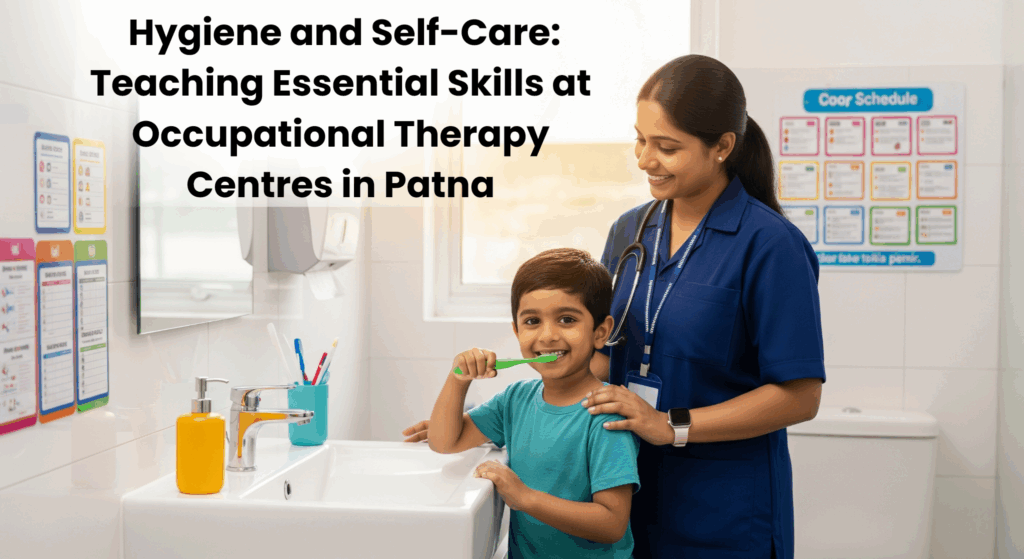
If you want to help your child learn important life skills, you can get support from Occupational Therapy Centres in Patna. These centers can provide valuable assistance. These skilled professionals know that every child is unique. They understand how to turn daily struggles into successful routines.
But why do some children find these seemingly simple tasks so challenging? And more importantly, how can we help them succeed?
Why Hygiene Skills Matter More Than You Think
Let me share something that may surprise you. Hygiene and self-care skills are complex activities. They involve many brain functions working together. When a child brushes their teeth, they use their hands, feel different sensations, follow steps, and focus all at once.
Here’s why these skills are so crucial for your child’s development:
Independence and Confidence Building: When children can take care of their basic needs, they feel capable and proud. I’ve seen kids light up when they successfully wash their hands without help for the first time. That moment of “I did it myself!” builds confidence that carries over into other areas of life.
Social Integration and Acceptance: We may not want to admit it, but hygiene impacts how others see and interact with our children. Kids who maintain good hygiene are more likely to participate in social activities and develop friendships.
Academic Success: Children who struggle with self-care often have difficulty focusing in school. When they’re worried about personal hygiene, learning becomes secondary to their discomfort.
Common Challenges Kids Face with Self-Care
You might be wondering why your child finds these tasks so difficult when other kids seem to manage just fine. The truth is, many children face hidden challenges that make hygiene and self-care genuinely hard work.
Sensory Processing Issues: Some children are overwhelmed by the sensations involved in hygiene activities. The feeling of water on their skin, the texture of soap, or the sound of the hair dryer can be genuinely distressing. For these kids, what seems like defiance is actually sensory overload.
Motor Skill Difficulties: Hygiene tasks require fine motor coordination and bilateral coordination – using both hands together effectively. Children with motor planning difficulties might understand what they need to do but struggle to make their bodies cooperate.
Routine and Sequencing Problems: Breaking down a task like “getting ready for school” into smaller steps can feel overwhelming. Remembering the order of these steps adds to the challenge. Some children need clear teaching to understand that washing hair comes before conditioning. They also need to know that socks go on before shoes.
Executive Function Challenges: Planning, organizing, and initiating tasks are executive function skills that don’t come naturally to all children. Starting a hygiene routine without constant reminders requires these higher-level thinking skills.
Children with autism spectrum disorders can experience these challenges particularly pronounced. That’s why working with the best autism doctor in Patna and occupational therapists creates a strong support system. This system helps with all parts of development.
How Occupational Therapy Makes a Difference
Now, here’s where occupational therapy becomes a game-changer. Occupational therapists do more than teach hygiene skills. They find out why your child is having trouble. Then, they create personalized plans to help overcome those specific challenges.
The Assessment Process: First, the therapist observes your child attempting various self-care tasks. They’re looking for patterns:
Does your child avoid certain textures? Do they have trouble with sequencing? Are there motor coordination issues? This detective work helps identify the root causes of difficulties.
Goal-Setting That Makes Sense: Occupational therapists help your child learn by breaking skills into smaller, easier steps. Maybe the first goal is simply tolerating water on their hands for 10 seconds. Success builds on success.
Specific Techniques and Strategies: Occupational therapists use evidence-based techniques like:
- Sensory integration activities to help children process sensations better
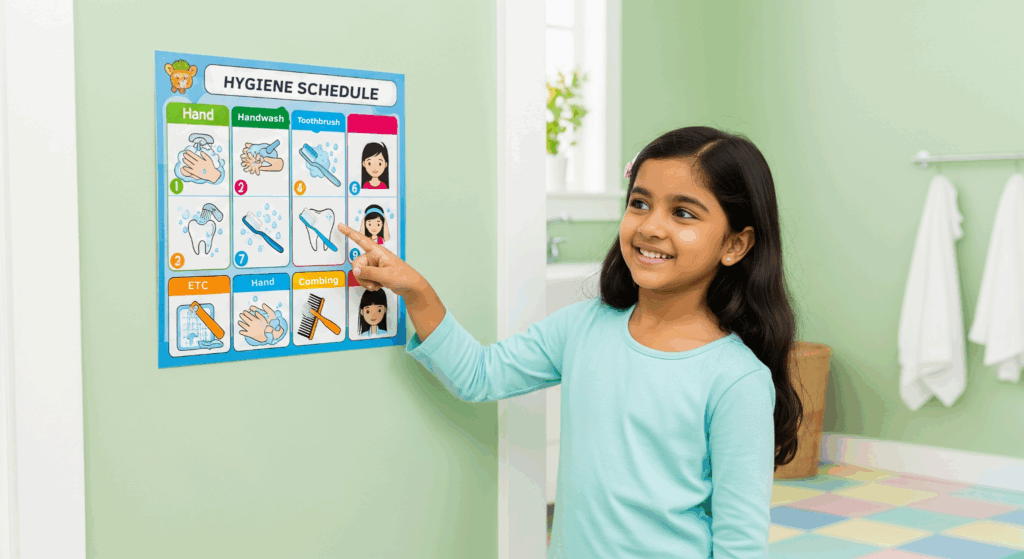
- Visual schedules to support sequencing and memory
- Adaptive equipment to make tasks easier
- Environmental modifications to reduce overwhelming stimuli
Collaborative Approach: The best results happen when occupational therapy works alongside other services. Many Speech Therapy Centres in Patna collaborate with occupational therapists because communication and self-care skills often develop together. When a child can request help or express their needs clearly, hygiene routines become much smoother.
Essential Hygiene Skills by Age Group
Understanding what’s developmentally appropriate helps set realistic expectations. However, children with special needs may develop these skills at their own pace.
Toddlers (2-4 years): At this age, children begin participating in hygiene activities. They might help by holding a washcloth or putting their arms through sleeves. Key skills include washing hands with assistance, brushing teeth with help, undressing simple clothing, and cooperating during bath time.
Preschoolers (4-6 years): Children start taking more responsibility for their hygiene. Expected skills include washing hands alone after reminders, brushing teeth with some help, getting dressed by themselves, and using the toilet during the day.
School-age children (6-12 years): By school age, children should manage most hygiene tasks independently. Skills to master include complete independence in handwashing and teeth brushing, showering with minimal supervision, choosing appropriate clothing, and managing toileting needs completely.
Practical Tips for Parents
As a parent, you play a crucial role in helping your child develop these essential skills. Here are strategies that really work:
Start Small and Build Success: Don’t try to tackle everything at once. Pick one skill and focus on it until your child feels confident. Success in one area often motivates children to try harder in others.
Create a Sensory-Friendly Environment: Pay attention to your child’s sensory preferences. Some children do better with warm water, others prefer cool. Small adjustments can make huge differences.
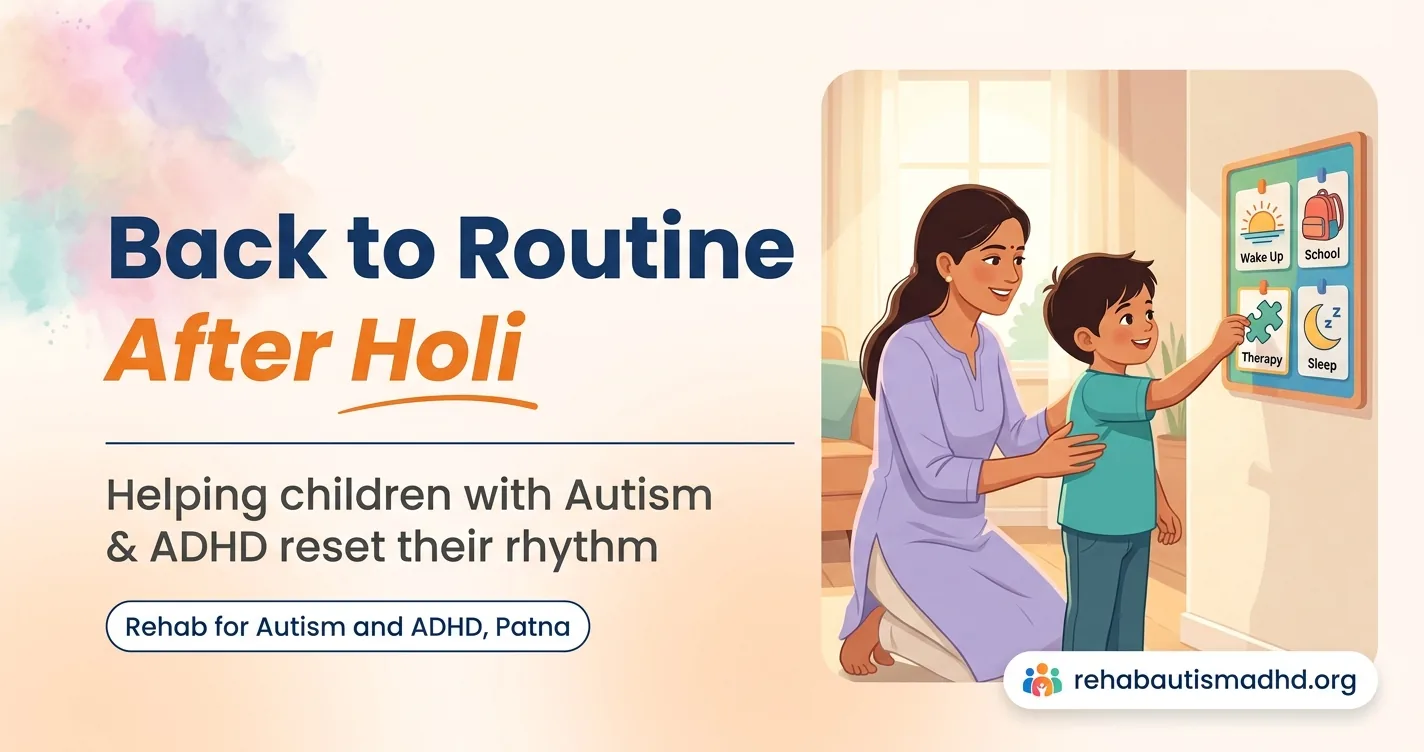
Use Visual Supports: Pictures showing each step of a hygiene routine can be incredibly helpful. Many children benefit from seeing what’s expected rather than just hearing instructions.
Make It Fun When Possible: Singing songs during handwashing or using colorful soaps can turn dreaded tasks into enjoyable activities.
Be Patient and Consistent: Some days will be harder than others. Consistency in your approach, even when progress seems slow, is what ultimately leads to success.
Frequently Asked Questions
How long does it take to see progress in self-care skills?
This depends on your child’s individual challenges and starting point. Some children make noticeable progress within a few weeks, while others may need several months of consistent practice. The key is celebrating small victories along the way.
What’s the difference between occupational therapy and speech therapy for hygiene skills?
Occupational therapists help with hygiene tasks. They focus on physical and sensory skills. This includes teaching motor skills for brushing teeth and managing sensory sensitivities. Speech therapists work on communication aspects – helping children understand directions or express their preferences.
How can I help my child with sensory issues during bath time?
Adjust the water temperature to what your child likes. Use unscented soaps if strong smells bother them. Let your child pour water on themselves first. Also, provide a non-slip mat for safety. Some children benefit from deep pressure activities before bath time.
When should I consider professional help for my child’s self-care difficulties?
Consider seeking support if your child is significantly behind their peers, if daily hygiene routines are consistently stressful, or if these difficulties are impacting their social relationships or school performance.
Are there specific techniques for children with autism?
Children with autism often benefit from highly structured, visual approaches. This might include picture schedules, social stories about hygiene routines, and consistent timing. Many children with autism also respond well to choice-making.
How do I make hygiene routines less stressful for my child?
Start by identifying what specifically causes stress. Maintain consistent routines, give plenty of time without rushing, use calming music before hygiene tasks, and always end on a positive note, even if the task wasn’t completed perfectly.
Finding the Right Support in Patna
If you’re feeling overwhelmed by your child’s hygiene and self-care challenges, you’re not alone. Many families in Patna are discovering that professional support can transform daily struggles into successful routines.
At Rehab For Autism and ADHD, we know that every child is special. We believe every child should have the chance to learn independence in their daily life skills. Our experienced team of occupational therapists specializes in helping children with autism, ADHD, and other developmental differences master essential self-care skills.
We don’t just teach hygiene skills. We help families understand why their child is having trouble and we also provide practical strategies that work at home. Our approach combines evidence-based techniques with genuine care and understanding of what families are going through.
Our comprehensive services include individual occupational therapy sessions, parent training and support, sensory integration therapy, and collaborative care with other specialists. We work closely with families to create realistic goals and celebrate every step forward, no matter how small.
If you’re looking for experienced Occupational Therapy Centres in Patna that truly understand the challenges your family faces, we’d love to talk with you. Our team is here to support not just your child, but your entire family as you navigate this journey together.
Ready to help your child develop independence? Contact us today. We offer free consultations where we can discuss your child’s specific needs and how we might be able to help. Because every child deserves to feel confident and capable in their daily life.
Remember, developing hygiene and self-care skills is a journey, not a destination. With the right support, patience, and strategies, your child can master these essential life skills and gain the independence they deserve.
For More Information:-
Call Us: +91 9304140878
Mail Us: Rehabforautismandadhd2019@gmail.com, info@rehabautismadhd.org
Address: C17, SK Puri, Patna 800001
Take the first step toward empowering your child’s communication today.