Last month, I met Priya Sharma at a parent support group meeting in Patna. She was sharing how her now 8-year-old son Aarav had transformed from a non-verbal, withdrawn child to someone who confidently presents school projects and even cracks jokes with his classmates. “Three years ago, I thought we’d lost him forever,” she said, tears in her eyes. “But finding the right autism doctor changed everything.”
Priya’s story isn’t unique in Patna. I’ve heard similar accounts from dozens of families over the years – stories of hope, struggle, breakthrough moments, and the incredible difference that choosing the right autism specialist can make.
My Journey Into Understanding Autism
Let me be honest with you. Five years ago, I knew almost nothing about autism. Like many people, I had misconceptions and fears. Then my neighbor’s daughter was diagnosed, and I watched their family navigate this new reality. What struck me most wasn’t the challenges – though there were many – but the incredible resilience and growth I witnessed.
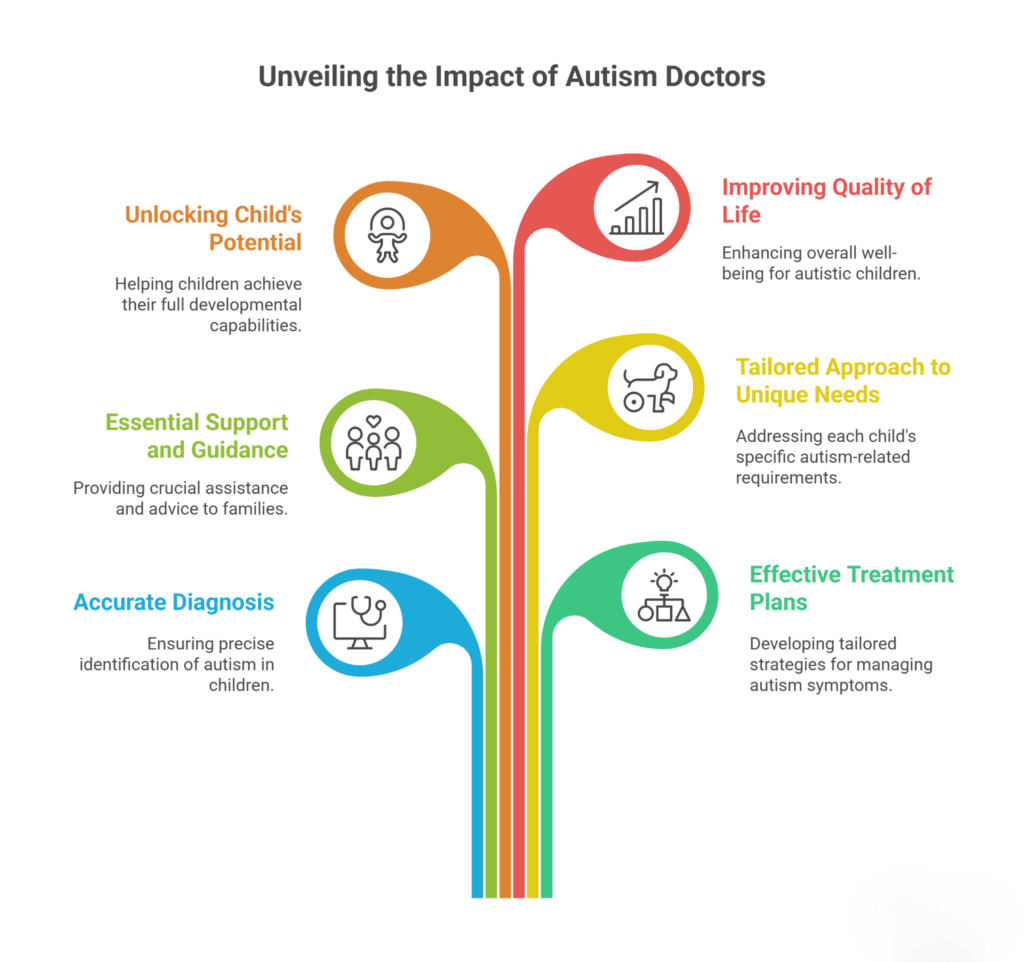
Autism Spectrum Disorder affects how children communicate, interact socially, and process the world around them. But here’s something I learned that changed my perspective completely: autism isn’t something to be “fixed.” It’s a different way of experiencing life, and with the right support, children with autism can achieve remarkable things.
I remember watching 6-year-old Rahul at a birthday party last year. While other kids played musical chairs, he sat quietly in the corner, seemingly disinterested. His mother looked worried, but I noticed something different – Rahul was actually studying the music patterns, and later, he amazed everyone by predicting exactly when each song would end. That’s autism for you – different, but often brilliantly so.
The Signs Every Parent Should Know
After talking to countless families in Patna, I’ve learned that parents often notice something is different long before they have a name for it. Sunita Devi from Kankarbagh told me she first worried when her 2-year-old son wouldn’t respond to his name, even when she called loudly. “I thought he had hearing problems,” she laughed, “but his hearing was perfect. He just processed things differently.”
Here are the signs that multiple parents have shared with me:
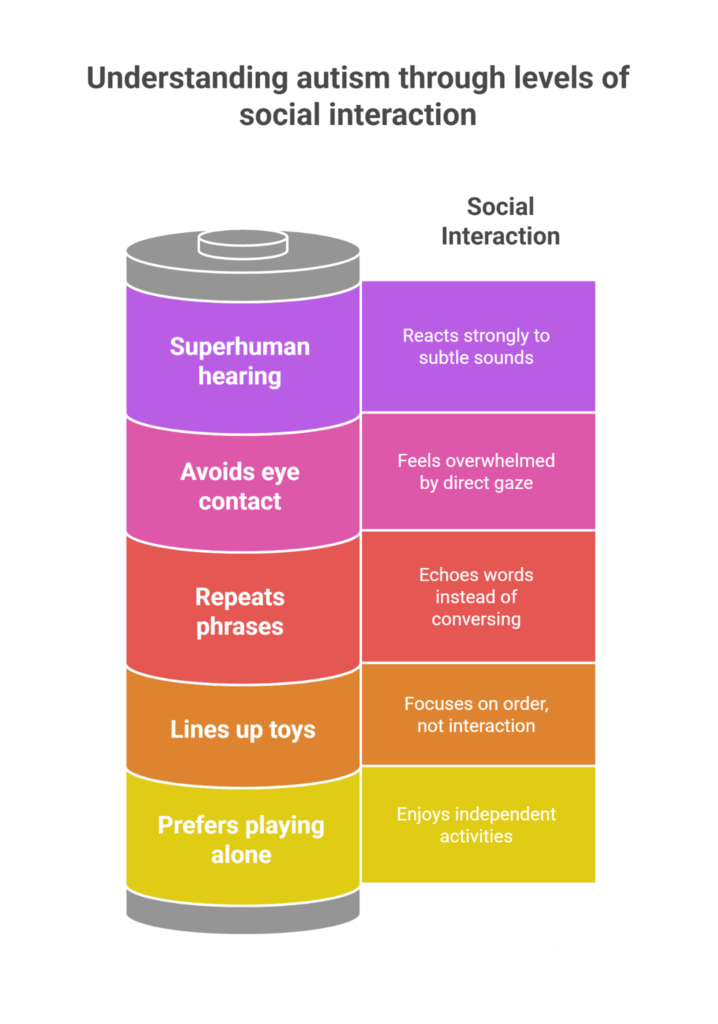
Your child might be avoiding eye contact, not because they’re being defiant, but because direct eye contact can feel overwhelming. They might repeat phrases from their favorite cartoon instead of having conversations, or they might get extremely upset when their daily routine changes even slightly.
I’ve seen children who line up their toys in perfect rows instead of playing with them, kids who seem to have superhuman hearing (covering their ears at sounds others barely notice), and toddlers who prefer playing alone even in a room full of children.
These aren’t behaviors to panic about – they’re simply signs that your child might process the world differently and could benefit from specialized support.
Why Early Intervention Matters More Than You Think
Dr. Anjali Mishra, whom I interviewed last month at her clinic in Fraser Road, put it beautifully: “The brain is like wet cement in the early years – we can shape it, guide it, help it form the pathways that will serve the child for life. But as time passes, that cement hardens, and change becomes more difficult.”
I’ve seen this firsthand in families I know. Arjun’s parents started speech therapy when he was barely 3. Today, at 7, he’s mainstreamed in a regular school and even helps other children with their math homework. Compare that to another child I know whose parents waited until age 6 to seek help – the progress is there, but it’s slower and requires much more intensive support.
The research backs this up too. Children who receive early intervention services before age 3 show dramatically better outcomes in communication, social skills, and academic achievement. It’s not just about therapy – it’s about rewiring the brain during its most flexible period.
What I’ve Learned About Finding the Best Autism Doctor in Patna
After accompanying several families to various specialists across the city, I’ve developed a sense of what separates good doctors from truly exceptional ones. Let me share what I’ve observed.
The Autism Doctor Who Actually Listens
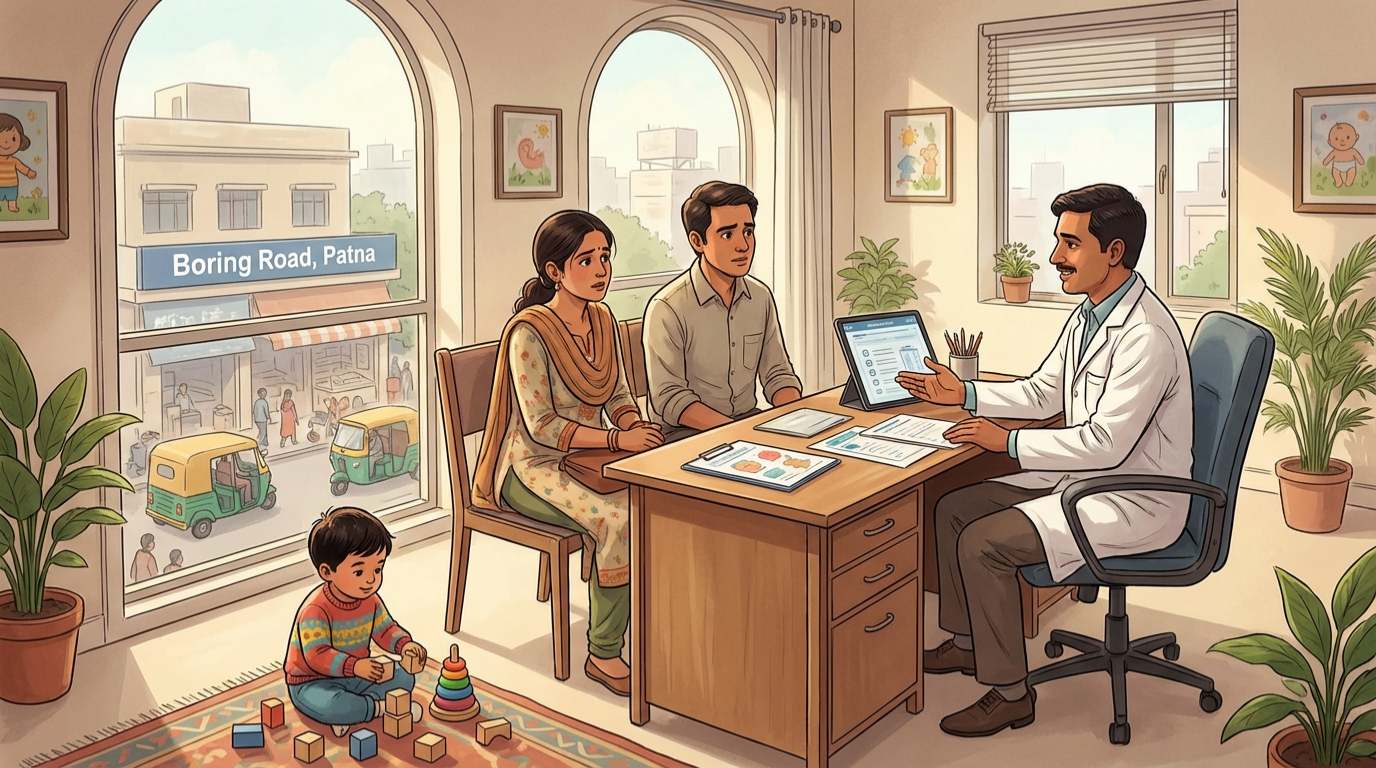
The first thing I noticed about Dr. Kapil Dev at Rehab For Autism & ADHD is that he doesn’t just examine the child – he observes them. During my friend’s consultation, he spent 10 minutes just watching her son play with blocks, noting how he arranged them, his facial expressions, how he responded to gentle interruptions. “Most doctors rush through appointments,” my friend later told me. “He made me feel like we had all the time in the world.”
Great autism doctors understand that diagnosis isn’t just about checking boxes on a form. They look at the whole child, consider family dynamics, cultural background, and individual strengths along with challenges.
Experience That Shows
I’ve noticed that the best autism doctors in Patna share certain qualities. They’ve worked with hundreds of children on the spectrum. They know that no two children are exactly alike, even with the same diagnosis. They can quickly spot subtle signs that less experienced doctors might miss.
More importantly, they stay updated. Dr. Priya Sinha at Indira Gandhi Institute of Medical Sciences told me she attends at least two autism conferences every year. “The field evolves constantly,” she explained. “What we knew five years ago is already outdated in many ways.”
A Team Approach
Here’s something that surprised me – the best autism specialists rarely work alone. When I visited the Rehab for Autism & ADHD developmental clinic, I saw pediatricians, speech therapists, occupational therapists, and psychologists all collaborating on treatment plans.
This makes sense when you think about it. Autism affects multiple areas of development, so addressing it requires multiple types of expertise. A child might need help with communication, sensory processing, social skills, and academic learning – all at the same time.
The Growing Support Network in Patna
Five years ago, families often had to travel to Delhi or Kolkata for quality autism care. Not anymore. Patna’s medical community has really stepped up, and I’ve been impressed by the growth I’ve witnessed.
Speech Therapy Centres in Patna: More Options Than Ever
Last week, I visited three different speech therapy centres in Patna to understand what they offer. At the Patna Speech and Hearing Centre near Boring Road, I watched a session with 5-year-old Kavya. She was learning to use picture cards to communicate her needs – something that seemed impossible just months ago according to her mother.
The therapist, Dr. Kapil Dev, explained how they’re now using tablets and apps to help non-verbal children communicate. “Technology has revolutionized what we can achieve,” she said. “Children who might never have spoken are now expressing complex thoughts through assisted communication.”
What impressed me most was how these centers coordinate with schools and families. They don’t just work on speech in isolation – they help children apply these skills in real-world settings.
Building Community Connections
One unexpected discovery in my research has been the tight-knit community of autism families in Patna. At the monthly support group meetings at Mahavir Vaatsalya Hospital, parents share everything from which schools are most inclusive to which local shops are autism-friendly.
Rekha Singh, whose 9-year-old daughter has autism, started a WhatsApp group that now has over 200 parents. “We share resources, celebrate milestones, and support each other through tough times,” she told me. “Sometimes you need advice from someone who’s walked this path before.”
Real Stories from Patna Families
Let me tell you about some families whose stories have inspired me.
The Kumars live in Patna City and noticed their son Vivek wasn’t developing speech like his older brother had. By age 3, he had only a few words and seemed to live in his own world. They found Dr Kapil Dev, an autism specialist in Patna, who not only diagnosed Vivek but also trained the entire family on how to support his development.
Today, Vivek is 10 and attends Holy Cross School. He’s not the most talkative kid in his class, but he’s made friends, excels in mathematics, and has developed a passion for geography that amazes his teachers. His mother credits early intervention and family involvement for this transformation.
Then there’s little Ananya from Kankarbagh. At age 4, she was overwhelmed by sounds, textures, and crowds. Simple activities like grocery shopping were nightmares for the family. Through occupational therapy and gradual exposure techniques, she’s learned to cope with sensory challenges. Last month, she attended her cousin’s wedding – something her parents never thought would be possible.
The Reality of Costs and Investment
I won’t lie to you – quality autism care requires investment. When I talked to families about this, most were initially worried about the financial aspect. Ravi Prasad from Boring Road was candid: “We had to reorganize our entire budget. But looking back, it’s the best money we ever spent.”
Here’s what I learned about the financial reality. Yes, comprehensive autism care involves multiple therapies, regular appointments, and sometimes specialized equipment or materials. However, most families found that early intervention actually saves money in the long run.
Sunita’s son needed intensive support for two years, but now requires minimal ongoing services. “If we had waited or chosen cheaper, less effective options, we’d probably still be spending more and getting less results,” she reflected.
Many families also discovered that some services are covered by government schemes, and several NGOs in Patna offer sliding-scale fees based on family income.
How Technology is Changing Autism Care
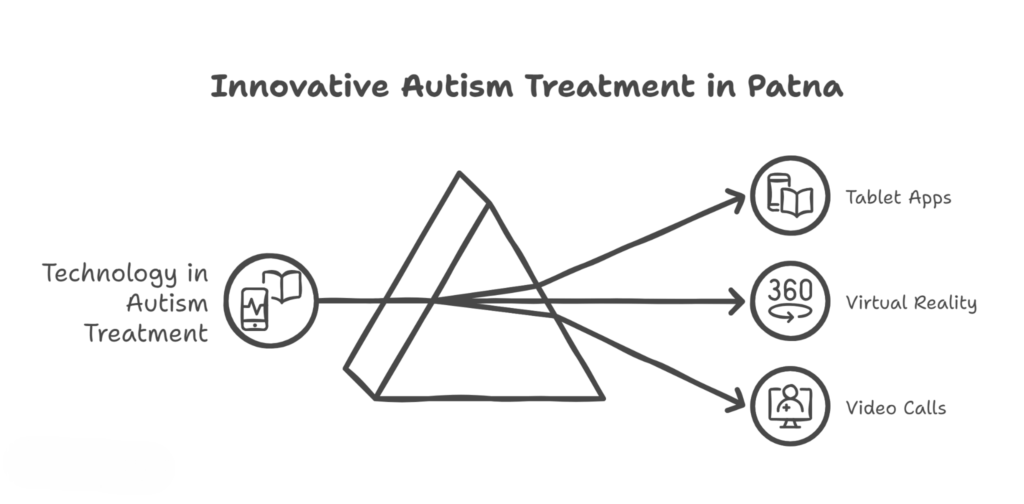
During my visits to various clinics, I was amazed by how technology is being integrated into autism treatment. At one speech therapy centre in Patna, I saw children using tablet apps that help them learn social cues through interactive games.
Dr. Kapil Dev showed me how they’re using virtual reality to help children practice social situations in a safe, controlled environment. “A child can practice ordering food at a restaurant or asking for help at school through VR, and then apply these skills in real life,” he explained.
Some therapists are even conducting sessions via video calls, which has been a game-changer for families who live far from the city center or have transportation challenges.
Working With Schools: A Crucial Partnership
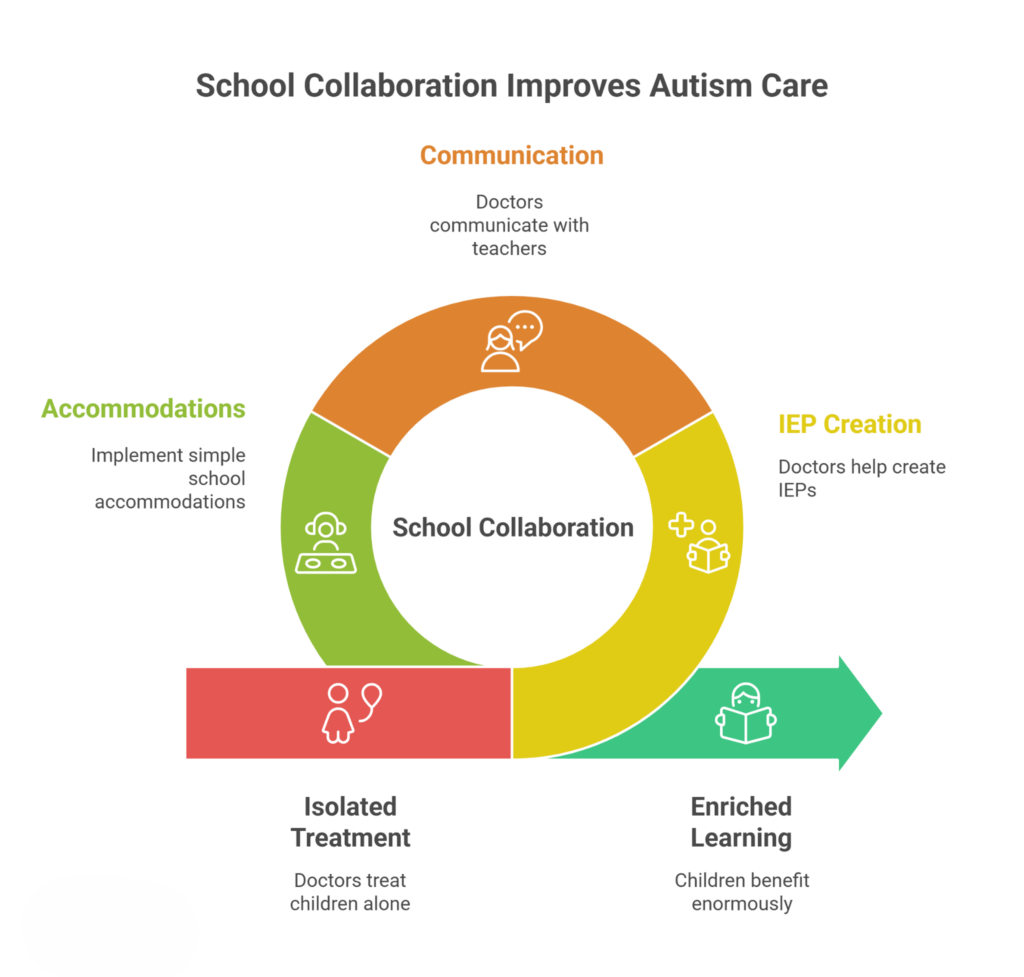
One thing that consistently came up in my conversations with parents was the importance of school collaboration. The best autism doctors in Patna don’t just treat children in isolation – they work closely with educational institutions.
I spoke with Mrs. Priya Sharma, a special educator at DAV Public School, who explained how doctors help create Individualized Education Programs (IEPs). “When doctors communicate directly with teachers, children benefit enormously,” she said. “We understand the child’s specific needs, triggers, and strengths.”
Some success stories I heard involved children who were struggling in regular classrooms until their autism specialist worked with the school to implement simple accommodations – things like providing a quiet corner for breaks or allowing the child to use headphones during noisy activities.
Red Flags I’ve Observed from Autism Doctor
Unfortunately, not every doctor claiming to treat autism is equally qualified. Through my research and conversations with families, I’ve identified some warning signs.
Be cautious of anyone promising to “cure” autism completely. Autism is a lifelong condition, and while tremendous progress is possible, claiming complete reversal is misleading and potentially harmful.
I’ve also heard concerning stories about doctors who work in isolation, refusing to collaborate with other professionals or communicate with schools. Effective autism care requires teamwork.
Another red flag is practitioners who rely on outdated or unproven treatments. One family spent months and significant money on a therapy that had no scientific backing, delaying access to evidence-based interventions.
Supporting the Whole Family
Something I didn’t expect to discover was how autism affects entire families, including siblings. During my research, I met Rohan, whose younger brother has autism. “Sometimes I felt invisible,” he admitted. “All the attention went to helping my brother.”
The most effective autism specialists in Patna recognize this dynamic. They provide resources for siblings, help parents maintain balance, and sometimes recommend family counseling to ensure everyone’s needs are met.
I was particularly impressed by Dr. Kapil Dev approach at her clinic in Patna. He schedules regular family meetings to check in with parents and siblings, addressing concerns before they become major issues.
Looking Toward the Future
What gives me the most hope is seeing young adults with autism who received early, appropriate intervention. Last month, I met Deepak, now 22, who was diagnosed with autism at age 4. He’s completing his engineering degree and has a part-time job at a local IT company.
His mother, Sushma Devi, told me, “The doctor who first evaluated Deepak told us to focus on helping him become as independent as possible. That guidance shaped everything we did.” Today, Deepak lives semi-independently, maintains friendships, and has plans for his career.
This is what appropriate autism care can achieve – not changing who a child is, but helping them develop the skills to navigate the world successfully.
Cultural Considerations in Patna
One aspect that often gets overlooked is how cultural factors influence autism care. In my conversations with families, I learned that many initially worried about societal perceptions and family acceptance.
Mrs. Kamala Devi from Rajendranagar shared how her mother-in-law initially blamed the child’s behavior on poor parenting. “It took time and education, but now she’s one of my son’s biggest advocates,” she laughed.
The best autism doctors I’ve encountered understand these dynamics. They take time to educate extended family members and help navigate cultural sensitivities while providing optimal care.
Why Our Therapy Centre Makes a Difference
After spending months researching autism care in Patna, visiting multiple facilities, and talking to dozens of families, I’ve gained deep appreciation for what truly comprehensive autism support looks like.
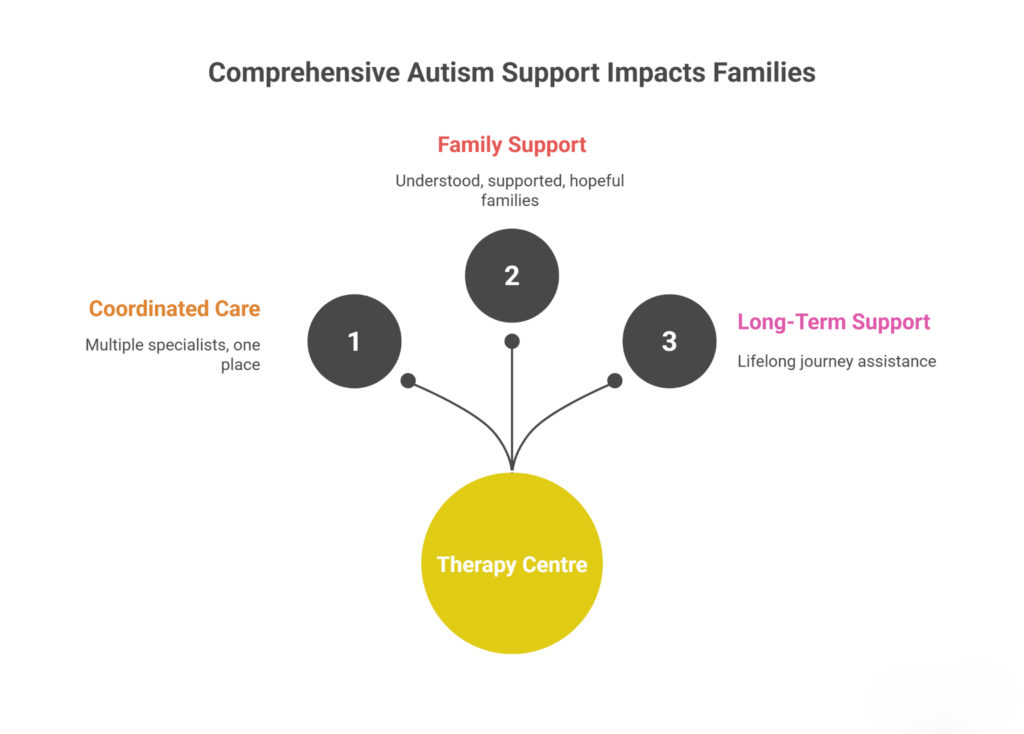
Rehab for Autism & ADHD, our therapy centre was born from this understanding. We’ve seen families struggle to coordinate between multiple providers, wait weeks for appointments, or receive fragmented care that doesn’t address their child’s full range of needs.
That’s why we created a different model – one that brings together experienced developmental pediatricians, certified speech therapists, skilled occupational therapists, and behavioral specialists under one roof. But more than that, we’ve built a place where families feel understood, supported, and hopeful.
I’ve watched our team work with hundreds of children over the past few years, and what strikes me most is their genuine commitment to each child’s success. They don’t just provide services – they build relationships. They celebrate every small victory and provide unwavering support during challenges.
Our speech therapy centre incorporates the latest technology and evidence-based approaches, but it’s the human touch that makes the difference. We take time to understand each child’s unique personality, interests, and learning style. We work closely with families to ensure that progress in therapy translates to success at home and school.
What sets us apart is our commitment to long-term support. Autism isn’t something you “graduate” from – it’s a lifelong journey. We’re here for the toddler taking first steps in communication, the school-age child learning social skills, and the teenager preparing for independence.
We also understand the financial realities families face. That’s why we offer flexible payment options and work with families to access available resources and support programs.
Most importantly, we never give up on any child’s potential. Every child who walks through our doors has unique gifts and abilities. Our job is to help them – and their families – discover and nurture those gifts.
Frequently Asked Questions
Q: How early can autism be diagnosed, and when should I be concerned?
A: From my conversations with specialists, autism can often be identified by 18-24 months, though some signs appear even earlier. If you notice consistent delays in communication, social interaction, or repetitive behaviors, don’t wait – early evaluation never hurts, and early intervention can be life-changing.
Q: What credentials should I look for in an autism specialist in Patna?
A: Look for board certification in developmental pediatrics, child psychiatry, or neurology, plus specific training in autism assessment. Ask about their experience – the best doctors have worked with hundreds of children on the spectrum and stay current with research.
Q: Are there good speech therapy centres in Patna that specialize in autism?
A: Yes, Patna now has several excellent options. Look for centers that use evidence-based approaches, incorporate technology when appropriate, and coordinate care with other professionals. The best ones also train families to support communication development at home.
Q: What should I expect during the first visit to an autism doctor?
A: Most comprehensive evaluations take several hours and may span multiple visits. Expect detailed developmental history, behavioral observations, and possibly standardized assessments. Bring comfort items for your child and be prepared for the doctor to spend significant time just watching how your child plays and interacts.
Q: How do I know if the treatment is working?
A: Progress in autism treatment is often gradual and may not be immediately obvious. Look for small improvements in communication, social interaction, or behavior. The best doctors provide regular progress updates and adjust treatment plans based on your child’s response.
Q: Will my child with autism be able to attend regular school in Patna?
A: Many children with autism can succeed in mainstream schools with appropriate support. The key is finding schools that understand autism and are willing to implement necessary accommodations. Your autism specialist in Patna can help advocate for your child’s educational needs.
Q: How can I connect with other autism families in Patna?
A: Most therapy centers and hospitals with autism programs can connect you with parent support groups. There are also active WhatsApp groups and Facebook communities where Patna families share resources, experiences, and support.
Q: What’s the difference between an autism specialist and a regular pediatrician?
A: While regular pediatricians provide excellent general care, autism specialists in Patna have additional training specifically in developmental disorders. They understand the complexities of autism assessment, diagnosis, and treatment planning in ways that general pediatricians may not.
Q: Are there any warning signs of ineffective treatment?
A: Be cautious of providers who promise quick fixes, work in isolation without collaborating with other professionals, or use unproven treatments. Effective autism care requires patience, teamwork, and evidence-based approaches.
Q: How can I prepare my family for an autism diagnosis?
A: Focus on education and building a support network. Connect with other families, learn about autism from reputable sources, and remember that a diagnosis is the beginning of getting appropriate help – not the end of possibilities for your child.
Conclusion for the Best Autism Doctor in Patna
Choosing the best autism doctor in Patna isn’t just about credentials and experience – though those matter enormously. It’s about finding someone who sees your child’s potential, understands your family’s unique needs, and commits to walking alongside you on this journey.
The transformation I’ve witnessed in families over the years convinces me that with the right support, every child with autism can thrive. The future is incredibly bright for these children, and it starts with making informed, hopeful choices today.
For More Information:-
Name: Rehab For Autism & ADHD
Call Us: +91 9304140878
Mail Us: Rehabforautismandadhd2019@gmail.com, info@rehabautismadhd.org
Address: C17, SK Puri, Patna 800001
Take the first step toward empowering your child’s communication today.