A Note to Parents: If you are reading this, you likely just received news that has shifted your world. Take a deep breath. You are not alone, and there is a clear path forward right here in Patna.
Introduction
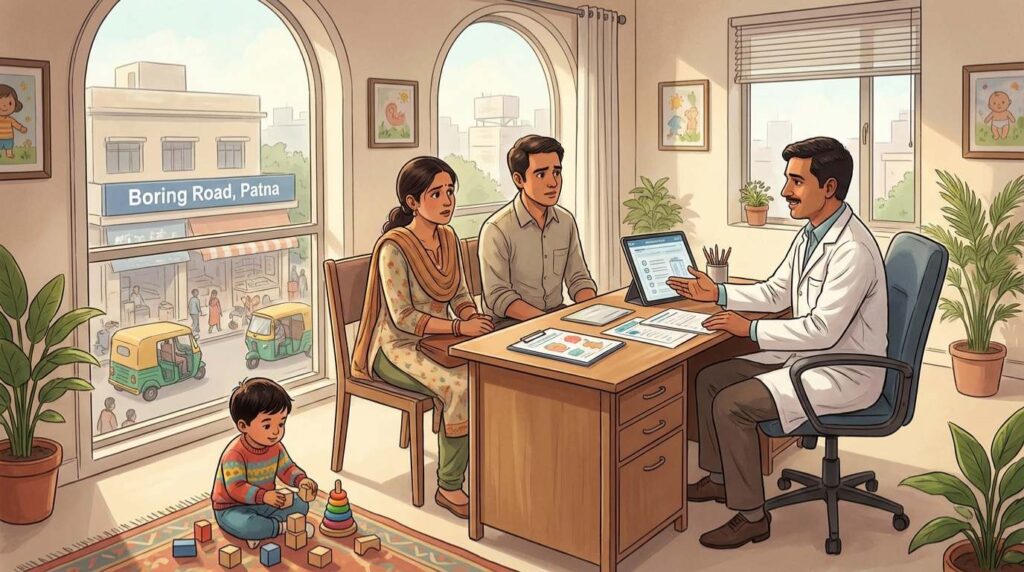
Receiving an autism diagnosis for your child is a profound moment that often brings a whirlwind of emotions. For many parents in Patna, sitting in a doctor’s office—perhaps in Kankarbagh or near Bailey Road—and hearing the words “Autism Spectrum Disorder” (ASD) can feel overwhelming. You might feel confusion, fear about the future, or perhaps a sense of relief at finally having an answer to why your child has been struggling.
It is completely normal to feel lost. The good news is that Patna has a growing ecosystem of support, including specialized autism therapy centers, experienced professionals, and government resources designed to help your child thrive. An autism diagnosis is not a label of limitation; it is a roadmap to understanding your child’s unique way of experiencing the world.
This guide is designed to be your companion for the critical first 30 days. We have broken down the overwhelming task of “what to do next” into a manageable, week-by-week action plan specifically tailored for families in Bihar. From processing your emotions to finding the best autism specialist in Patna, this step-by-step guide will help you move from uncertainty to action.
Week 1: Processing the Diagnosis and Emotional Validation
The first week is not about rushing into appointments; it is about grounding yourself. Before you can effectively advocate for your child, you must process what this diagnosis means for your family.
1. Validate Your Feelings
Do not suppress your emotions. You may cycle through denial, anger, grief, and acceptance—sometimes all in the same day. This is a natural response. Many parents in our Patna community initially worry about societal stigma or the challenges of long-term care. Acknowledge these feelings without judgment. Your emotional well-being is the foundation of your child’s progress.
2. Understanding the Diagnosis
Autism is a spectrum. This means that while your child shares a diagnosis with others, their strengths and challenges are unique. In Patna, you might see children who are non-verbal and others who are highly verbal but struggle socially. Understanding that “autism” looks different for everyone prevents you from comparing your child to others unfairly.
3. Avoid Information Overload
In the age of the internet, it is tempting to spend sleepless nights Googling every symptom. This often leads to unnecessary panic. Focus only on credible sources and local resources. Avoid unverified “miracle cures” often circulated on social media groups. Trust established medical science and evidence-based therapies available at reputable autism treatment centers in Patna.
4. Communicate with Immediate Family
Sit down with your spouse and immediate family members. In joint families common in Bihar, it is crucial that grandparents and extended family understand that autism is a neurological condition, not a result of “bad parenting” or “stubbornness.” Share simple, factual information to build a supportive home environment from day one.
Week 2: Immediate Action Steps and Research
Now that you have taken a moment to breathe, the second week is about gathering information and preparing for the journey ahead.
1. Secure Medical Records
Organize a file with all your child’s medical reports, hearing test results, and the formal diagnostic report. You will need these repeatedly when visiting an autism specialist in Patna or applying for government benefits.
2. Start an Observation Diary
You know your child better than anyone. Start a notebook recording specific behaviors:
- Sensory Triggers: Does loud traffic noise on Patna’s busy streets bother them? Do they dislike certain fabric textures?
- Communication: How do they ask for water? Do they point, pull your hand, or cry?
- Social Interaction: Do they make eye contact? Do they respond to their name?
This data will be invaluable for therapists to create a personalized plan.
3. Research Evidence-Based Therapies
Familiarize yourself with the core therapies that are proven to help:
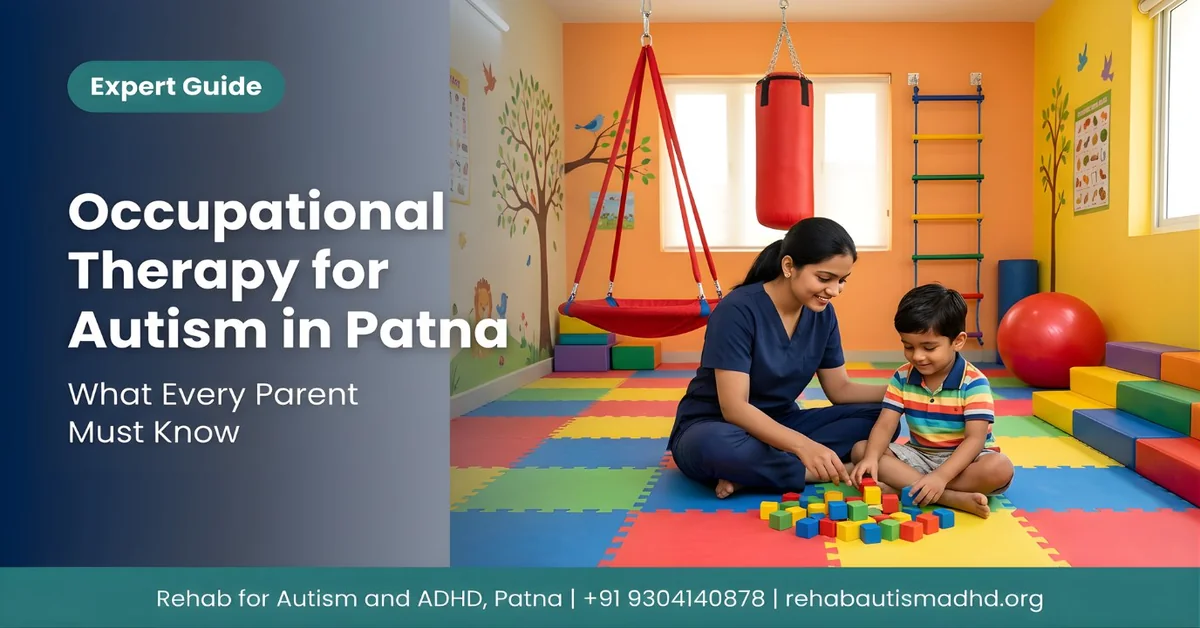
- Occupational Therapy (OT): Helps with daily living skills, fine motor skills (like gripping a pencil), and sensory processing.
- Speech Therapy: Focuses on verbal and non-verbal communication.
- Behavior Therapy (ABA): Helps reduce challenging behaviors and teaches positive social skills.
- Sensory Integration Therapy: Helps the brain process sensory information more effectively.
4. Contact Therapy Centers
Begin reaching out to centers. Do not just look for the closest one; look for the best fit. Patna has several centers, but quality varies. You need a center that offers a multidisciplinary approach under one roof.
Finding the Right Autism Treatment Center in Patna
Selecting the right therapy partner is perhaps the most critical decision you will make. In Patna, options have increased, but you must be discerning.
What to Look For: A Checklist for Parents
- Qualified Professionals: Ensure the center is led by certified professionals (BOT, MOT, BASLP) and not just untrained staff.
- 1:1 Therapy Ratio: This is non-negotiable for effective early intervention. Group sessions are helpful later, but initial therapy must be individual.
- Transperancy: Does the center allow parents to observe sessions or provide regular progress reports?
- Multidisciplinary Team: Ideally, Speech, OT, and Special Education should be available in one location to ensure coordinated care.
Recommended Center: Rehab for Autism and ADHD
For parents seeking comprehensive care, Rehab for Autism and ADHD located at C17, Sri Krishna Puri, Patna, stands out as a premier institution.
Why Choose Rehab for Autism and ADHD?
Led by Dr. Kapil Dev, a renowned Pediatric Occupational Therapist with over 8 years of experience, this center is dedicated to mainstreaming children with special needs. Dr. Dev holds both Bachelor’s (BOT) and Master’s (MOT) degrees and specializes in Sensory Integration.
Key Highlights:
- Personalized Care: They strictly follow a 1 Child, 1 Therapist ratio to ensure focused attention.
- Comprehensive Services: The center offers Occupational Therapy, Speech Therapy, Behavior Therapy, Sensory Integration, and Special Education all under one roof.
- Parent Empowerment: They actively train parents to continue therapy strategies at home, which accelerates progress.
- Expert Team: The team includes qualified professionals like Dr. Priyanka Kumari (Speech Therapist) and Dr. Kumar Gaurav (Occupational Therapist).
Location Advantage: Situated in Sri Krishna Puri, it is centrally located and accessible for families across Patna.
Other Notable Centers in Patna
While researching, you may also come across other centers. It is good to visit a few to compare facilities and approaches:
- Continua Kids: A chain of centers known for developmental pediatrics.
- Binita Speech & Hearing and Autism Centre: Known for speech-language pathology services.
- Children’s Neurodevelopmental Centre: An integrated center led by Dr. Rahul Thakur.
However, many parents find the personalized, home-like environment and the direct involvement of the director at Rehab for Autism and ADHD to be particularly comforting and effective.
Week 3: Assessment and Starting Early Intervention
By week three, you should have selected a center. Now begins the formal journey of intervention.
The Comprehensive Assessment
Before therapy starts, a detailed evaluation is necessary. At a center like Rehab for Autism and ADHD, this isn’t just a 15-minute checkup. It is a detailed session where the autism specialist in Patna evaluates your child’s:
- Sensory profile (sensitivity to lights, sounds, touch)
- Motor skills (jumping, writing, buttoning shirts)
- Communication level (receptive and expressive language)
- Social readiness
The Power of Early Intervention
Why the rush? Research consistently shows that early intervention works. The brain is most “plastic” or adaptable before age 5. Statistics indicate that children who receive intensive early intervention can see a 60% reduction in challenging behaviors within 6 months. Starting therapy immediately gives your child the best chance at independence.
Setting Realistic Expectations
Therapy is a marathon, not a sprint. You might not see changes in the first week. Trust the process. Celebrate small wins—like your child sitting still for 2 minutes or making eye contact for the first time. These micro-milestones are the building blocks of major progress.
Week 4: Long-term Planning and Support Systems
As the first month wraps up, shift your focus to the administrative and support side of things. Living in Patna, you have access to specific government benefits that can ease the financial burden.
Disability Certificate under RPWD Act 2016
The Rights of Persons with Disabilities (RPWD) Act, 2016 recognizes Autism Spectrum Disorder as a distinct disability. Obtaining a Unique Disability ID (UDID) card is crucial.
Steps to Apply in Patna:
- Visit the Civil Surgeon’s office or a government hospital like PMCH or IGIMS.
- Submit your child’s diagnosis report from a registered practitioner.
- Undergo the assessment by the medical board.
- Once certified (typically 40% disability or more), apply for the UDID card online.
This certificate opens doors to concessions in rail travel, income tax benefits for parents, and school admissions under the EWS/DG category.
Government Schemes
- Niramaya Scheme (National Trust): Provides health insurance up to ₹1 Lakh for therapies and medical costs.
- Disha Scheme: Focuses on early intervention and school readiness for children up to 10 years.
Building Your Village
Autism can feel isolating, but you don’t have to do it alone. Join parent support groups in Patna. Connecting with other parents waiting at therapy centers allows you to share tips—like which schools are inclusive or where to find sensory-friendly clothes in local markets.
Creating an Autism-Friendly Home Environment
Therapy is only a few hours a week; the rest of the time, your child is at home. Making your home “autism-friendly” is a powerful intervention in itself.
1. Establish Routine and Consistency
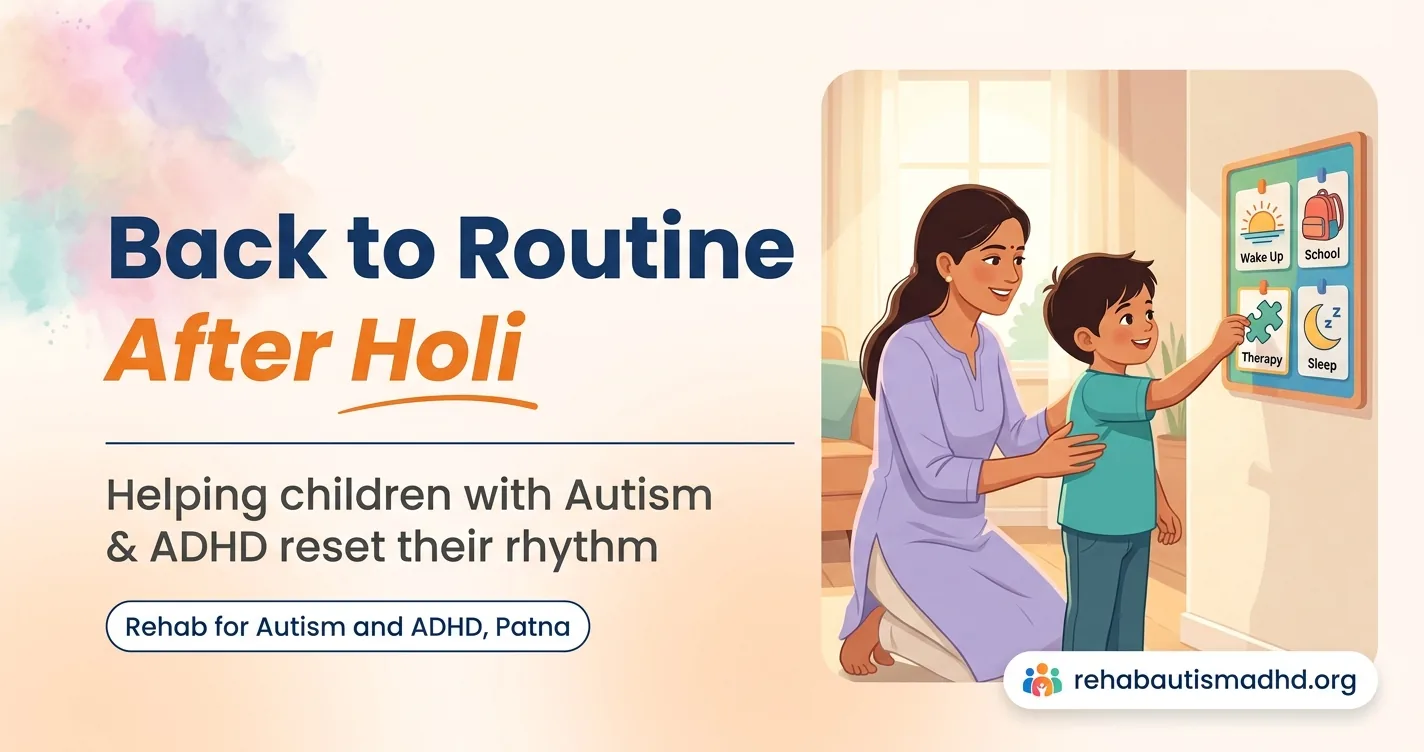
Children with autism thrive on predictability. Try to keep waking, eating, and sleeping times consistent. If you are planning a trip to the zoo or a relative’s house in Patliputra, talk to your child about it in advance.
2. Use Visual Schedules
If your child struggles with language, use pictures. Create a simple chart with images: “Brush Teeth” -> “Breakfast” -> “School.” This reduces anxiety because the child knows what to expect next.
3. Create a ‘Safe Space’
Designate a quiet corner in your house where your child can retreat if they feel overwhelmed. Fill it with comforting items like soft pillows or their favorite fidget toys. This is their sanctuary from sensory overload.
4. Sensory Considerations
Observe your home environment. Is the tubelight flickering? Is the TV too loud? Small adjustments, like using warmer lighting or minimizing background noise, can significantly reduce meltdowns.
Frequently Asked Questions (FAQ)
1. Is autism curable?
Autism is not a disease, so there is no “cure” in the medical sense. However, with consistent therapies like those offered at an autism treatment center in Patna, children can learn to manage challenges, develop skills, and lead independent, fulfilling lives.
2. What is the best age to start therapy?
The earlier, the better. Starting intervention before age 3 yields the best outcomes due to high brain plasticity. However, it is never too late to start helping a child or young adult.
3. How many hours of therapy does my child need?
This varies by child. Intensive programs often recommend 15-20 hours a week initially, but a qualified autism specialist in Patna will recommend a schedule based on your child’s specific needs and stamina.
4. What is the difference between Occupational and Speech Therapy?
Speech therapy focuses on language and communication (verbal and non-verbal). Occupational therapy focuses on independence in daily tasks (eating, dressing) and sensory processing. Most children with autism benefit from both.
5. How do I get a disability certificate in Patna?
You need to apply through the Sadar Hospital or PMCH medical board. You will need a formal diagnosis from a clinical psychologist or psychiatrist and proof of residence.
6. What are the government benefits available?
Benefits include the Niramaya Health Insurance scheme, tax deductions for parents under Section 80DD, railway concessions, and reservation in government jobs (for adults).
7. How much does autism therapy cost in Patna?
Costs vary by center and therapy type. While specialized care requires investment, many centers like Rehab for Autism and ADHD offer consultations to discuss flexible plans suited to family budgets.
8. Can my child go to regular school?
Yes, many children with autism attend mainstream schools. The Right to Education (RTE) Act mandates inclusion. However, your child might need a “shadow teacher” or special educator support initially.
9. How long will therapy take to show results?
There is no fixed timeline. Some parents see changes in weeks; for others, it takes months. Consistency is key. Do not measure progress day-to-day, but month-to-month.
10. What should I do if I can’t afford therapy?
Look into government centers like CRC Patna or Early Intervention Centers (DEIC) at government hospitals which offer subsidized services. Also, prioritize parent training so you can conduct therapy-like activities at home.
Conclusion
The first 30 days after an autism diagnosis can feel like navigating a storm, but remember: the storm will pass, and you will learn to sail. You are the best advocate for your child. By taking these structured steps—processing your emotions, securing early intervention, and building a supportive environment—you are laying the groundwork for a bright future.
Patna has resources, and help is closer than you think. Your child has immense potential waiting to be unlocked. Do not wait for “the right time.” The right time is now.
Take the First Step Today
If you need guidance, assessment, or a supportive therapy partner, reach out to the experts who understand your journey.
Rehab for Autism and ADHD
Director: Dr. Kapil Dev (BOT, MOT, Pediatric Occupational Therapist)
Address: C17, Sri Krishna Puri, Patna, Bihar 800001
Phone: +91 9304140878
Website: rehabautismadhd.org